Does this sound familiar? The first day of your period hits, and suddenly, you have the energy of a sloth. Your brain feels foggy, your body feels heavy, and the thought of doing anything besides lying on the couch with a heating pad feels impossible.
This isn’t just “being lazy.” Period fatigue is a very real, very common, and very frustrating experience. It can be so intense that it disrupts your work, your social life, and your general ability to function. But why does it happen?
It’s not just about the cramps or the hassle of bleeding. There are some real biological reasons why you feel so completely wiped out. At CrampCare, we want to help you understand what’s going on in your body so you can give it the support it needs. Let’s dive into the main culprits behind period fatigue.
Culprit #1: Iron Loss (The Energy Thief)
This is the biggest and most direct cause of period fatigue. When you menstruate, you lose blood. And when you lose blood, you lose iron.
Iron is a crucial component of hemoglobin, the protein in your red blood cells that’s responsible for carrying oxygen from your lungs to the rest of your body, including your muscles and brain. When your iron levels dip, your body can’t get the oxygen it needs to function optimally. The result? Exhaustion, weakness, and that classic “brain fog.” [1]
If you have particularly heavy periods (menorrhagia), you’re at an even higher risk for low iron levels or even iron-deficiency anemia.
What you can do: Focus on replenishing your iron stores, especially during and right after your period.
- Eat iron-rich foods: Lean red meat, poultry, fish, beans, lentils, and dark leafy greens like spinach.
- Pair it with Vitamin C: To help your body absorb the iron, eat it with foods high in Vitamin C, like oranges, strawberries, and bell peppers.
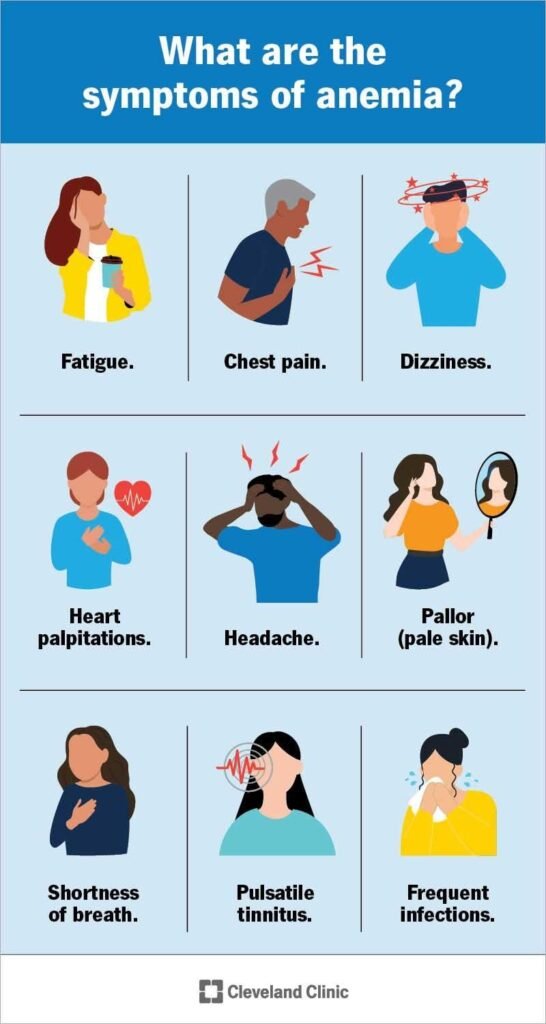
Source: Cleveland Clinic
Culprit #2: Hormonal Shifts (The Progesterone Coma)
Your hormones are on a rollercoaster ride all month long, and this has a huge effect on your energy.
Just before your period starts, your levels of both estrogen and progesterone take a nosedive. Estrogen is linked to serotonin, a brain chemical that helps you feel energetic and happy. When estrogen drops, your mood and energy can drop with it.
But the bigger player here is often progesterone. Progesterone has a sedative, almost calming effect on the body. In the week before your period (the luteal phase), your progesterone levels are high, which can make you feel a bit sluggish. When it suddenly drops right before your period, this abrupt shift can leave you feeling completely drained. [2]
What you can do: While you can’t stop the hormonal shifts, you can support your body through them.
- Prioritize sleep: Your body is doing a lot. Give it the rest it needs. Aim for 7-9 hours of quality sleep.
- Gentle movement: It might be the last thing you feel like doing, but a short walk or some gentle stretching can actually boost your energy levels.

Culprit #3: Inflammation & Pain (The Energy Drain)
Dealing with pain is exhausting. During your period, your body releases chemicals called prostaglandins. These chemicals cause the muscles of your uterus to contract to shed the uterine lining—this is what causes cramps.
High levels of prostaglandins can also cause inflammation throughout your body, leading to headaches, back pain, and general achiness. Your body uses a ton of energy just to deal with this pain and inflammation, leaving you feeling physically and mentally drained.
What you can do: Focus on fighting inflammation.
- Eat anti-inflammatory foods: Think fatty fish (salmon), nuts, seeds, and colorful fruits and veggies.
- Use heat: A heating pad or a warm bath can help relax your uterine muscles and reduce pain.
- Consider an NSAID: Over-the-counter pain relievers like ibuprofen work by blocking the production of prostaglandins. Taking them a day or two before your period starts can be very effective.
When Is It More Than Just Period Fatigue?
While period fatigue is common, extreme exhaustion that interferes with your daily life isn’t something you should just have to put up with. If your fatigue is severe, or if you have extremely heavy periods, it’s a good idea to talk to your doctor. They can check your iron levels and rule out any underlying conditions.
Tracking your symptoms is key. Use the CrampCare app to log your energy levels throughout the month. Having this data can help you and your doctor see just how much your cycle is impacting you. For example, you might see a clear pattern of crashing energy on day 1 and 2 of your period every single month.
This information is so valuable. It validates your experience and helps you get the support you need. You deserve to feel energized and vibrant all month long.
References
[1] National Institutes of Health. (2022). Iron – Fact Sheet for Health Professionals. https://ods.od.nih.gov/factsheets/Iron-HealthProfessional/
[2] Shechter, A., & Boivin, D. B. (2010). Sleep, Hormones, and Circadian Rhythms throughout the Menstrual Cycle in Healthy Women and Women with Premenstrual Dysphoric Disorder. International journal of endocrinology, 2010, 259345. https://doi.org/10.1155/2010/259345