Category: Sleep & stress

  • Stressed Out? Why Your Period Might Be, Too

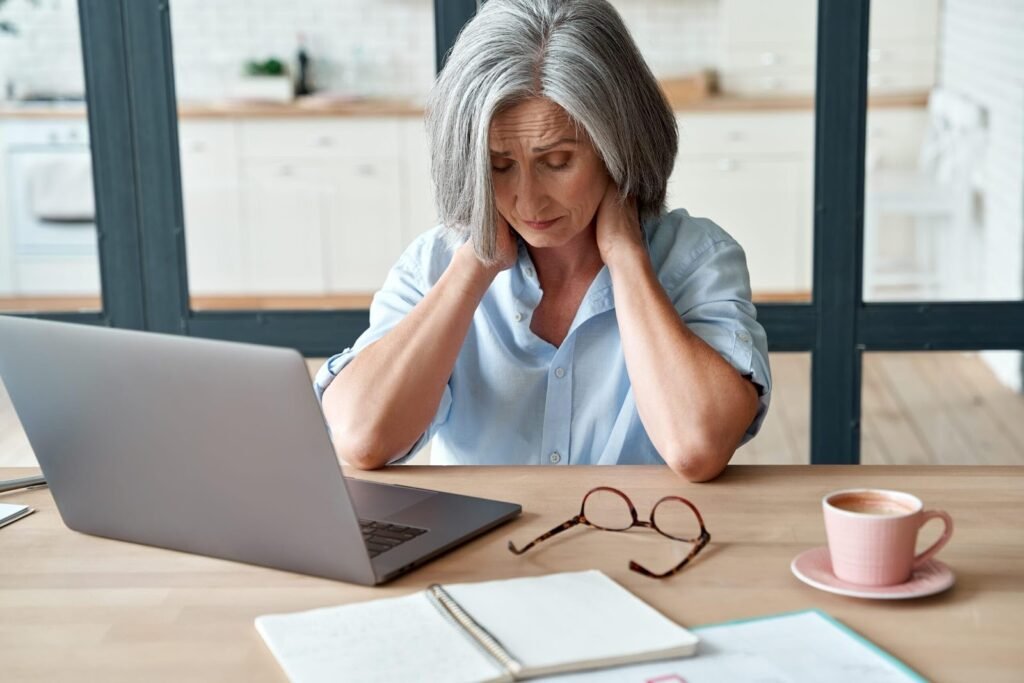
    Life is a lot sometimes. Between exams, work deadlines, relationship drama, and just trying to keep up, it’s easy to feel completely overwhelmed. You might notice that when you’re super stressed, you get more headaches, your sleep is a mess, and you’re snapping at everyone. But have you ever noticed that your period gets weird, too?

    Maybe it shows up late, or it doesn’t come at all. Maybe it’s much lighter or heavier than usual. It’s not a coincidence. Your menstrual cycle is like your body’s monthly report card, and it’s incredibly sensitive to stress.

    At CrampCare, we want to help you connect the dots between your mental health and your physical health. Understanding why your period gets thrown off by stress is the first step to managing it and showing your body some extra love when it needs it most.

    The Science, But Make It Simple: The Brain-Ovary Connection

    Think of your reproductive system as a team that needs clear communication to work properly. The coach is a part of your brain called the hypothalamus. It sends signals to another part of your brain (the pituitary gland), which then sends signals to your ovaries, telling them when to release the hormones (like estrogen) that lead to ovulation.

    This whole communication chain is called the HPO axis (Hypothalamic-Pituitary-Ovarian axis). It’s a delicate, finely-tuned system.

    Now, let’s add stress to the mix. When you’re stressed, your body goes into “fight or flight” mode and releases a flood of the stress hormone, cortisol. From a biological perspective, your body thinks you’re in danger—like you’re being chased by a tiger. In this state of emergency, your body decides that right now is not a great time to get pregnant. It needs to conserve all its energy for survival. [1]

    So, what does it do? Cortisol can directly interfere with the HPO axis, essentially telling the coach in your brain to stop sending signals. This can disrupt or even completely shut down the communication to your ovaries.

    How Stress Can Mess With Your Period

    When that brain-ovary communication gets staticky, a few things can happen:

    • Delayed Ovulation: Your body might put ovulation on hold until the stress passes. Since your period typically arrives about 14 days after you ovulate, delayed ovulation means a delayed period.
    • Anovulation (No Ovulation): If the stress is severe or long-lasting, your body might just skip ovulation altogether for that cycle. This can lead to a very long cycle or a missed period (this is called functional hypothalamic amenorrhea).
    • Irregular Cycles: You might find your cycle length is all over the place—one month it’s 28 days, the next it’s 40.
    • Worse PMS: Stress can also make your usual PMS symptoms, like cramps, mood swings, and fatigue, feel ten times worse.

    Finding Your Calm: How to Support Your Cycle

    You can’t just decide to “not be stressed.” But you can build a toolkit of strategies to help your body manage stress and feel safer, which allows your reproductive system to get back to its regular programming.

    This isn’t about adding more to your to-do list; it’s about finding small, sustainable ways to signal to your body that the tiger is gone.

    Your Stress-Busting Toolkit:

    • Mindful Movement: This isn’t about intense, punishing workouts. Think gentle, restorative activities like yoga, tai chi, or simply going for a walk in nature. Movement helps process stress hormones.
    • Breathwork: This is the fastest way to calm your nervous system. When you feel overwhelmed, try the “box breathing” technique: Inhale for 4 counts, hold for 4 counts, exhale for 4 counts, and hold for 4 counts. Repeat.
    • Prioritize Sleep: Sleep is when your body repairs itself. Aim for 7-9 hours of quality sleep per night. Try to create a relaxing bedtime routine, like reading a book or taking a warm bath.
    • Nourish, Don’t Restrict: When you’re stressed, your body needs fuel. This is not the time for a restrictive diet. Focus on regular, balanced meals with protein, healthy fats, and complex carbs to keep your blood sugar stable.

    Track Your Way to Understanding

    Sometimes, it’s hard to see the connection between a stressful week at work and a late period a few weeks later. This is where tracking your cycle becomes an act of self-care.

    By using an app like CrampCare to log not just your period, but also your daily stress levels, you can create a powerful map of your own body. You’ll be able to look back and see, “Oh, wow, my period was a week late after that crazy finals week.”

    This knowledge is empowering. It helps you anticipate these changes and reminds you to be extra gentle with yourself during stressful times. It transforms your cycle from a source of anxiety into a valuable source of information about your overall well-being.

    Your period is so much more than just a period. It’s a vital sign. Listen to what it’s telling you.

    References

    [1] Ranabir, S., & Reetu, K. (2011). Stress and hormones. Indian journal of endocrinology and metabolism, 15(1), 18–22. https://doi.org/10.4103/2230-8210.77573

  • Ready for a Baby? Your Supportive Guide to Boosting Your Chances of Getting Pregnant

    Making the decision to start a family is a huge, exciting step! It’s a journey filled with hope, daydreams, and a whole lot of love. But it can also come with a lot of questions and a bit of pressure. You might be wondering, “Am I doing everything I can? How can I make this happen?”

    Trying to conceive (TTC) can feel like you’re navigating a whole new world, and it’s easy to get overwhelmed by all the advice out there. At CrampCare, we want to walk alongside you on this path, offering clear, supportive, and empowering advice to help you on your journey to parenthood.

    Let’s talk about the most effective ways to boost your fertility and increase your chances of seeing that positive test, one gentle step at a time.

    1. Timing is Everything: Get to Know Your Fertile Window

    If there’s one “secret” to getting pregnant, this is it. You can only conceive during a very specific time in your cycle known as the fertile window. This window is about 6 days long: the 5 days before you ovulate and the day you ovulate.

    Having sex during this window is the single most important thing you can do to increase your chances of getting pregnant. [1]

    So, how do you find this magic window? By becoming an expert on your own cycle. You can do this by tracking a few key signs:

    • Your Cycle Length: Helps you estimate when ovulation might happen.
    • Your Cervical Mucus: Changes to a clear, stretchy “egg white” consistency when you’re most fertile.
    • Your Basal Body Temperature (BBT): Spikes slightly right after ovulation, confirming it happened.

    This is where an app like CrampCare becomes your best friend. It takes the guesswork out of tracking and helps you pinpoint your most fertile days with confidence, so you can focus on the fun part!

    2. Nourish Your Body: The “Fertility Diet”

    Think of your body as a garden you’re preparing for a beautiful new seed. Creating a healthy, nourished environment is key. While there’s no magic food that guarantees pregnancy, a balanced, nutrient-rich diet supports your overall health and hormone function, which is crucial for fertility.

    Focus on these Fertility-Friendly Foods:

    • Leafy Greens: Spinach, kale, and broccoli are packed with folate, a B vitamin that’s essential for preventing birth defects and supporting reproductive health.
    • Healthy Fats: Avocados, nuts, seeds, and olive oil help regulate your hormones.
    • Lean Proteins: Think fish, chicken, beans, and lentils.
    • Complex Carbs: Brown rice, quinoa, and whole-wheat bread provide sustained energy without spiking your blood sugar.

    It’s also wise to limit things that can work against you, like excessive alcohol, smoking, and too much caffeine. [2]

    3. Move with Joy: Finding Your Exercise Sweet Spot

    Regular, moderate exercise is fantastic for fertility. It helps you maintain a healthy weight, reduces stress, and improves circulation. The key word here is moderate.

    This isn’t the time to train for a marathon or push yourself to the absolute limit. Over-exercising can actually stress your body and interfere with ovulation. Instead, focus on movement that feels good and energizes you.

    Great options include:

    • Brisk walking or hiking
    • Gentle yoga or Pilates
    • Dancing
    • Swimming

    Source: LIVE FERTILE

    4. Find Your Calm: Why Stress Matters

    The TTC journey can be stressful, which is a cruel irony because high levels of stress can mess with the hormones that control ovulation. Finding healthy ways to manage stress is not just good for your mental health—it’s good for your fertility, too.

    Try incorporating some of these into your routine:

    • Mindfulness or Meditation: Even 5-10 minutes a day can make a difference.
    • Deep Breathing: A simple tool you can use anytime, anywhere.
    • Journaling: Get your worries out of your head and onto paper.
    • Prioritizing Sleep: Aim for 7-9 hours of quality sleep per night.

    Be kind to yourself. This journey is a marathon, not a sprint.

    When to Get a Little Extra Help

    It’s also important to know when it might be time to talk to a professional. The general guidelines are:

    • If you are under 35 and have been actively trying for one year.
    • If you are over 35 and have been actively trying for six months.

    You should also consider seeing a doctor sooner if you have a history of very irregular periods, PCOS, endometriosis, or other known health issues.

    A doctor can help you explore your options and create a plan that’s right for you. Remember, seeking help is a sign of strength.

    You’ve Got This

    Embarking on the path to parenthood is a profound and personal experience. Be patient with your body, celebrate the small victories, and lean on your partner and support system.

    Let CrampCare be your trusted companion on this journey, helping you understand your body and feel empowered every step of the way. You are capable, you are strong, and you’ve got this.

    References

    [1] American Society for Reproductive Medicine. (2021). Fertility and Sterility: Optimizing natural fertility. https://www.fertstert.org/article/S0015-0282(16)62895-9/fulltext

    [2] American College of Obstetricians and Gynecologists. (2021). Evaluating Infertility. https://www.acog.org/womens-health/faqs/evaluating-infertility

  • Is My Period Normal? Why Your Cycle Can Be Early or Late

    We’ve all been there. You’re staring at the calendar, doing the mental math, and a wave of panic hits you. “Wait… is my period late?” Or maybe it shows up a week early, completely uninvited, and messes up your plans. It’s enough to make anyone feel anxious and wonder, “Is my body okay? Is this normal?”

    Here’s the good news: a perfectly predictable, 28-day cycle is more of a myth than a reality for most of us. Your body isn’t a clock! A little variation is totally normal. At CrampCare, we want to help you ditch the anxiety and get to know your own unique rhythm. Let’s talk about what a “normal” cycle really is and why it can sometimes go off-script.

    What Does a “Normal” Menstrual Cycle Actually Mean?

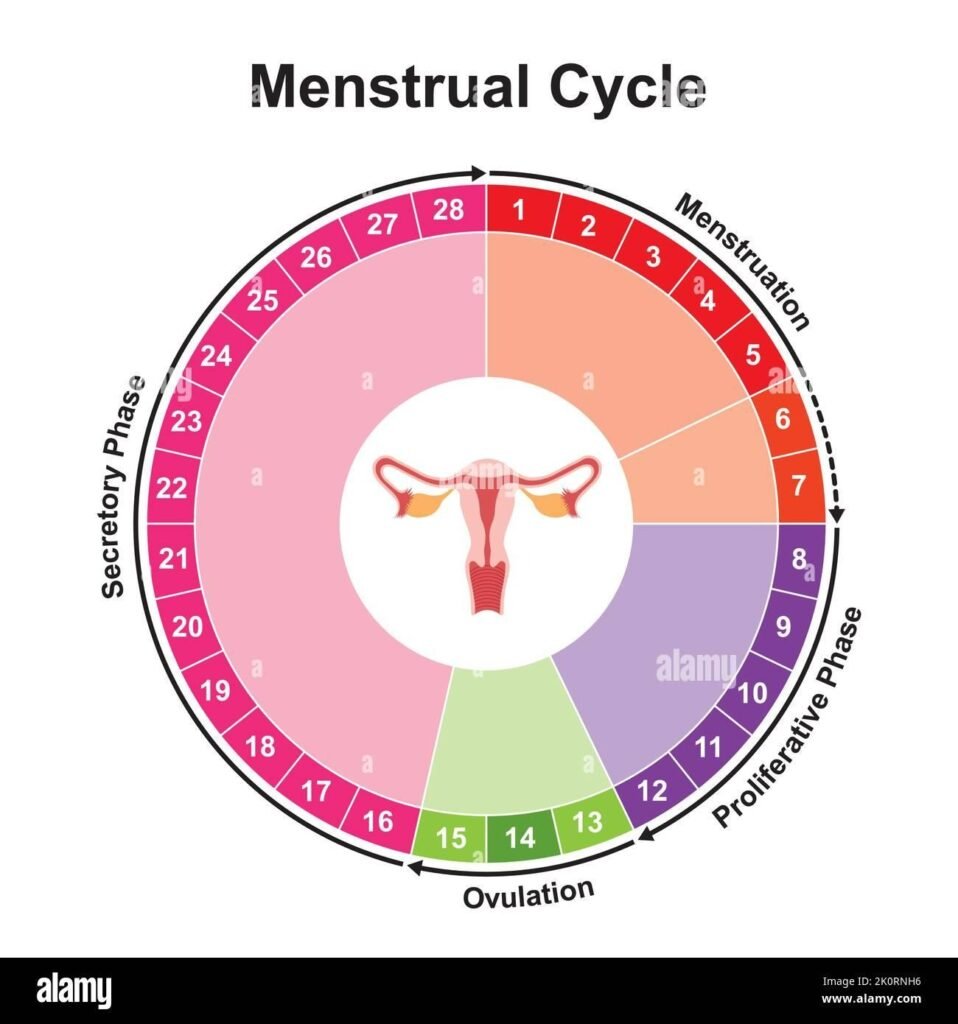
    First, let’s clear something up. Your menstrual cycle is the entire process from the first day of one period to the first day of the next. The bleeding part is just one phase of the cycle.

    When you hear the number “28 days,” that’s just an average. A textbook number. In reality, a normal, healthy menstrual cycle for an adult can be anywhere from 21 to 35 days long. [1] For teenagers who have just started getting their periods, it can be even more all over the place, sometimes ranging from 21 to 45 days.

    So, if your cycle is 25 days one month and 31 days the next, that doesn’t automatically mean something is wrong. It’s also normal for the length of your period (the number of days you bleed) to vary, usually lasting anywhere from 2 to 7 days.

    Think of it less like a fixed schedule and more like a rhythm. Your body has its own beat, and the goal is to learn what’s normal for you.

    Source: alamy

    So, Why Is My Period Early or Late?

    Your menstrual cycle is run by a complex team of hormones. These hormones are sensitive and can be thrown off by all sorts of things. If your period shows up unexpectedly early or keeps you waiting, it’s usually because something has nudged your hormones off their usual track. Here are some of the most common culprits:

    1. Stress (The Big One)

    If there’s one thing that can mess with your cycle, it’s stress. When you’re stressed out—whether it’s from exams, a new job, or relationship drama—your body produces a hormone called cortisol. This “stress hormone” can interfere with the hormones that run your menstrual cycle, sometimes delaying ovulation (when your body releases an egg). If ovulation is late, your period will be too.

    2. Changes in Your Routine

    Your body loves a routine. When you change things up, it can take a minute for your cycle to adjust.

    • Travel: Crossing time zones can mess with your internal body clock (your circadian rhythm), which can temporarily confuse your cycle hormones.
    • Sleep Schedule: Pulling all-nighters or suddenly switching to a night shift can also have an impact.
    • Diet or Exercise: A sudden change in what you’re eating or a new, intense workout routine can put stress on your body and cause your period to be early or late.

    3. Sickness

    Being sick with something like the flu can put stress on your body, which, as we know, can delay your period. It’s your body’s way of saying, “Hey, we’ve got bigger things to deal with right now, let’s put this on hold!”

    4. Weight Changes

    Significant changes in your weight, whether it’s gaining or losing, can affect your hormones and cause your cycle to become irregular.

    When Should I Be Concerned?

    While occasional changes are normal, there are times when an irregular cycle is a sign that you should check in with a doctor. Here are a few things to watch out for:

    • Your cycles are consistently shorter than 21 days or longer than 35 days.
    • You miss a period for more than 90 days (and you’re not pregnant).
    • Your period suddenly becomes super heavy or painful.
    • You have bleeding or spotting between your periods.

    These could be signs of a health condition like Polycystic Ovary Syndrome (PCOS) or a thyroid issue, so it’s always best to get it checked out.

    Get to Know Your Flow with CrampCare

    The best way to stop worrying about your cycle is to understand it. And the best way to understand it is to track it!

    When you track your period using an app like CrampCare, you’re not just logging dates. You’re collecting data about your unique body. Over time, you’ll start to see what your normal looks like. You’ll be able to see if your cycle is usually 29 days, or if it tends to be longer when you’re stressed.

    This knowledge is empowering. It helps you know when to expect your period, understand your body’s signals, and recognize when something is truly off. Instead of panicking, you’ll have the data to know if it’s just a normal blip or if it’s time to talk to a doctor.

    Ready to stop guessing and start understanding? Download CrampCare and start tracking your cycle today. Your peace of mind is worth it.

    References

    [1] American College of Obstetricians and Gynecologists. (2021). Your First Period (Especially for Teens). https://www.acog.org/womens-health/faqs/your-first-period