Category: Follicular

  • Your Period Problems Are Real. Here’s When to See a Doctor.


    We’re taught to just “deal with” our periods. We learn to push through the pain, manage the bleeding, and accept that our bodies are just going to do their own thing. But what if “dealing with it” means missing out on life? What if your period problems feel like more than just a monthly inconvenience?

    It can be really hard to know what’s “normal” and what’s a sign that you should get help. We often downplay our own pain or assume everyone feels the way we do. 

    At CrampCare, we want you to know one thing: your pain is valid, and you don’t have to suffer in silence. Knowing when to raise your hand and ask for help is a superpower. Let’s go over the key signs that mean it’s time to check in with a doctor.

    The “When to Worry” Checklist

    Think of this as your guide to listening to your body. If any of these sound familiar, it’s a good reason to make an appointment.

    1. Your Pain is Next-Level

    We’re not talking about the usual, annoying cramps that a heating pad can fix. We’re talking about pain that stops you in your tracks.

    See a doctor if:

    • Your period pain is so bad you regularly have to miss school, work, or social events.
    • Over-the-counter pain meds like ibuprofen (Advil) or naproxen (Aleve) barely make a dent.
    • The pain has been getting worse over time.
    • You have significant pain even when you’re not on your period.

    This kind of severe pain isn’t something you just have to live with. It could be a sign of a condition like endometriosis or fibroids, and there are treatments that can help. [1]

    2. Your Bleeding is Super Heavy

    What’s a “heavy” flow? It can be subjective, but there are some clear signs that your bleeding is more than average.

    See a doctor if:

    • You have to change your pad or tampon every hour for several hours in a row.
    • You have to wake up at night to change your protection.
    • Your period consistently lasts longer than 7 days.
    • You pass blood clots that are bigger than a quarter.

    Extremely heavy bleeding (the medical term is menorrhagia) can lead to anemia, which can make you feel tired and weak. It’s also a common sign of underlying issues that a doctor can help you manage. [2]

    3. Your Cycle is All Over the Place

    As we’ve said before, a perfect 28-day cycle is a myth. But a cycle that’s consistently unpredictable is worth looking into.

    See a doctor if:

    • Your cycles are always shorter than 21 days or longer than 35 days.
    • You go more than 3 months (90 days) without getting a period (and you know you’re not pregnant).
    • Your cycle length suddenly changes dramatically and stays that way for a few months.
    • You bleed or spot between your periods.

    Irregular cycles can sometimes be the first sign of a hormonal imbalance, like with Polycystic Ovary Syndrome (PCOS) or a thyroid condition.

    How to Talk to Your Doctor and Be Heard

    Okay, so you’ve decided to make an appointment. Awesome! The next step is to prepare so you can have the best possible conversation. Unfortunately, some doctors can be dismissive of period pain, so walking in with clear information is your best strategy.

    1. Come with Data: This is your secret weapon. Instead of just saying “my periods are bad,” you can say “For the last four months, I’ve had debilitating pain for the first two days of my period, and I’ve had to miss two days of work each time.” See the difference? 

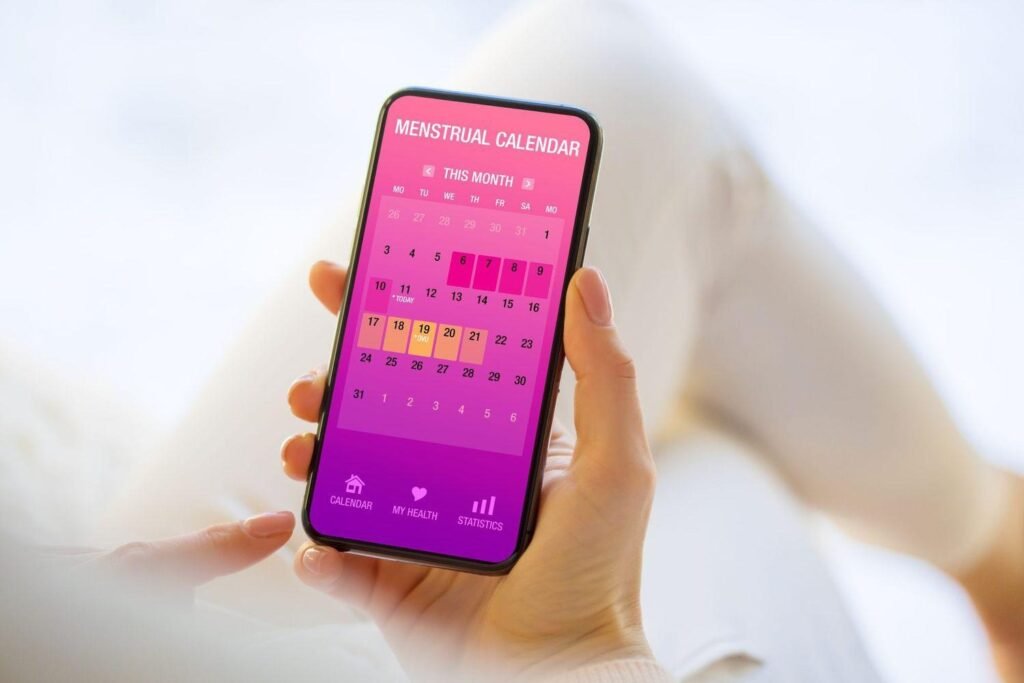
    2. Track Everything: This is where an app like CrampCareis a lifesaver. Before your appointment, use it to track:
        *   The start and end dates of your period.
        *   Your pain levels each day (a 1-10 scale is great).
        *   How heavy your flow is (light, medium, heavy).
        *   Any other symptoms (like clots, bloating, mood swings, or pain with sex).
        *   What you did to try and manage the pain (meds, heat, etc.) and whether it helped.
    3. Have Your Questions Ready:Write down a few key questions you want to ask. For example:
        *   “Based on my symptoms, could this be more than just normal period pain?”
        *   “What tests could we do to find out more?”
        *   “What are my treatment options besides birth control?”

    Walking into a doctor’s office with a detailed log from your CrampCare app changes the conversation. It shows you’re serious and gives your doctor concrete evidence to work with. You are the expert on your body; the data just helps you prove it.

    Don’t let anyone tell you it’s “just a bad period.” If your cycle is controlling your life, you deserve answers. Take that first step, talk to a doctor, and start your journey to feeling better.

    References

    [1] American College of Obstetricians and Gynecologists. (2022). Dysmenorrhea: Painful Periods. https://www.acog.org/womens-health/faqs/dysmenorrhea-painful-periods

    [2] Centers for Disease Control and Prevention. (2022). Heavy Menstrual Bleeding. https://www.cdc.gov/ncbddd/blooddisorders/women/menorrhagia.html
  • Is My Period Normal? Why Your Cycle Can Be Early or Late

    We’ve all been there. You’re staring at the calendar, doing the mental math, and a wave of panic hits you. “Wait… is my period late?” Or maybe it shows up a week early, completely uninvited, and messes up your plans. It’s enough to make anyone feel anxious and wonder, “Is my body okay? Is this normal?”

    Here’s the good news: a perfectly predictable, 28-day cycle is more of a myth than a reality for most of us. Your body isn’t a clock! A little variation is totally normal. At CrampCare, we want to help you ditch the anxiety and get to know your own unique rhythm. Let’s talk about what a “normal” cycle really is and why it can sometimes go off-script.

    What Does a “Normal” Menstrual Cycle Actually Mean?

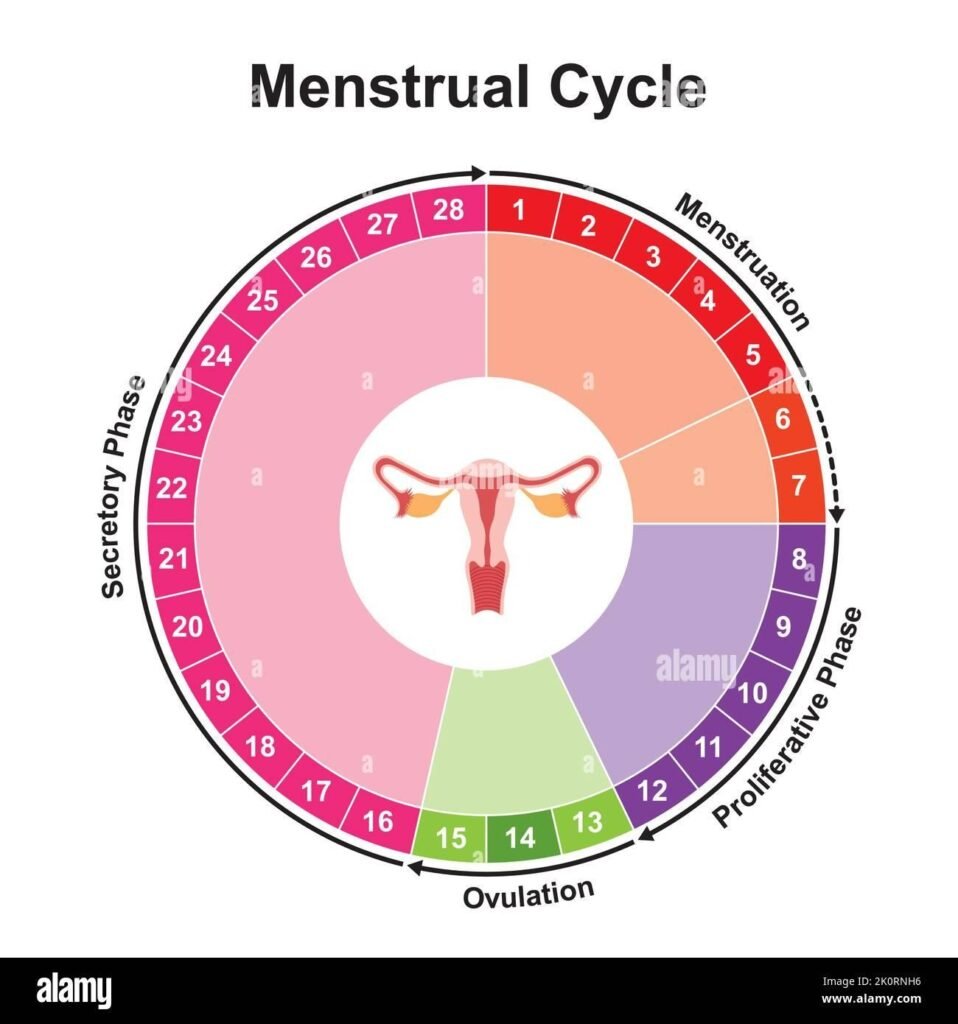
    First, let’s clear something up. Your menstrual cycle is the entire process from the first day of one period to the first day of the next. The bleeding part is just one phase of the cycle.

    When you hear the number “28 days,” that’s just an average. A textbook number. In reality, a normal, healthy menstrual cycle for an adult can be anywhere from 21 to 35 days long. [1] For teenagers who have just started getting their periods, it can be even more all over the place, sometimes ranging from 21 to 45 days.

    So, if your cycle is 25 days one month and 31 days the next, that doesn’t automatically mean something is wrong. It’s also normal for the length of your period (the number of days you bleed) to vary, usually lasting anywhere from 2 to 7 days.

    Think of it less like a fixed schedule and more like a rhythm. Your body has its own beat, and the goal is to learn what’s normal for you.

    Source: alamy

    So, Why Is My Period Early or Late?

    Your menstrual cycle is run by a complex team of hormones. These hormones are sensitive and can be thrown off by all sorts of things. If your period shows up unexpectedly early or keeps you waiting, it’s usually because something has nudged your hormones off their usual track. Here are some of the most common culprits:

    1. Stress (The Big One)

    If there’s one thing that can mess with your cycle, it’s stress. When you’re stressed out—whether it’s from exams, a new job, or relationship drama—your body produces a hormone called cortisol. This “stress hormone” can interfere with the hormones that run your menstrual cycle, sometimes delaying ovulation (when your body releases an egg). If ovulation is late, your period will be too.

    2. Changes in Your Routine

    Your body loves a routine. When you change things up, it can take a minute for your cycle to adjust.

    • Travel: Crossing time zones can mess with your internal body clock (your circadian rhythm), which can temporarily confuse your cycle hormones.
    • Sleep Schedule: Pulling all-nighters or suddenly switching to a night shift can also have an impact.
    • Diet or Exercise: A sudden change in what you’re eating or a new, intense workout routine can put stress on your body and cause your period to be early or late.

    3. Sickness

    Being sick with something like the flu can put stress on your body, which, as we know, can delay your period. It’s your body’s way of saying, “Hey, we’ve got bigger things to deal with right now, let’s put this on hold!”

    4. Weight Changes

    Significant changes in your weight, whether it’s gaining or losing, can affect your hormones and cause your cycle to become irregular.

    When Should I Be Concerned?

    While occasional changes are normal, there are times when an irregular cycle is a sign that you should check in with a doctor. Here are a few things to watch out for:

    • Your cycles are consistently shorter than 21 days or longer than 35 days.
    • You miss a period for more than 90 days (and you’re not pregnant).
    • Your period suddenly becomes super heavy or painful.
    • You have bleeding or spotting between your periods.

    These could be signs of a health condition like Polycystic Ovary Syndrome (PCOS) or a thyroid issue, so it’s always best to get it checked out.

    Get to Know Your Flow with CrampCare

    The best way to stop worrying about your cycle is to understand it. And the best way to understand it is to track it!

    When you track your period using an app like CrampCare, you’re not just logging dates. You’re collecting data about your unique body. Over time, you’ll start to see what your normal looks like. You’ll be able to see if your cycle is usually 29 days, or if it tends to be longer when you’re stressed.

    This knowledge is empowering. It helps you know when to expect your period, understand your body’s signals, and recognize when something is truly off. Instead of panicking, you’ll have the data to know if it’s just a normal blip or if it’s time to talk to a doctor.

    Ready to stop guessing and start understanding? Download CrampCare and start tracking your cycle today. Your peace of mind is worth it.

    References

    [1] American College of Obstetricians and Gynecologists. (2021). Your First Period (Especially for Teens). https://www.acog.org/womens-health/faqs/your-first-period