It’s a story that’s all too common. You finally work up the courage to talk to a doctor about your debilitating period pain, your heavy bleeding, or your wildly irregular cycles. You explain how it’s affecting your life—how you have to miss school, work, or social events. And then you’re met with a dismissive, “Oh, that’s normal,” or “Some women just have bad periods.”
It’s infuriating, invalidating, and unfortunately, it happens all the time. Studies show that women’s pain is often taken less seriously than men’s pain, a phenomenon known as the “gender pain gap.” [1]
But here’s what you need to know: You are the expert on your own body. If you feel like something is wrong, you are probably right. The key is learning how to communicate your concerns in a way that makes it impossible to be ignored.
At CrampCare, we’re passionate about helping you become your own best health advocate. This is your guide to walking into that doctor’s office feeling prepared, confident, and ready to be heard.
Step 1: The Power of Data – Your Secret Weapon
This is the single most important thing you can do. Do not walk into an appointment with vague complaints. Walk in with data. A doctor might be able to dismiss “I have bad cramps,” but they can’t dismiss “For the last three months, I have had debilitating pain that I rate as an 8 out of 10 for the first two days of my period, forcing me to miss work.”
Before your appointment, you need to become a detective of your own body. This is where an app like CrampCare is absolutely essential. For at least one to two full cycles, track everything:
- Your Cycle: The start and end dates of your period.
- Your Pain:
- When: Does it happen before your period? During? During ovulation?
- Where: Is it in your lower abdomen? Your back? Your legs?
- What it feels like: Is it sharp, stabbing, dull, aching, burning?
- How bad it is: Rate it on a scale of 1-10 every single day.
- Your Bleeding:
- How heavy: How many pads or tampons are you using? Are you soaking through them in an hour or two? Are you passing large clots?
- Other Symptoms: Track everything, even if it seems unrelated. Acne, bloating, fatigue, mood swings, pain with sex, bowel or bladder issues, headaches.
This data is your evidence. It transforms your personal experience into objective facts that a medical professional can’t ignore.

Step 2: Prepare for Battle (The Friendly Kind)
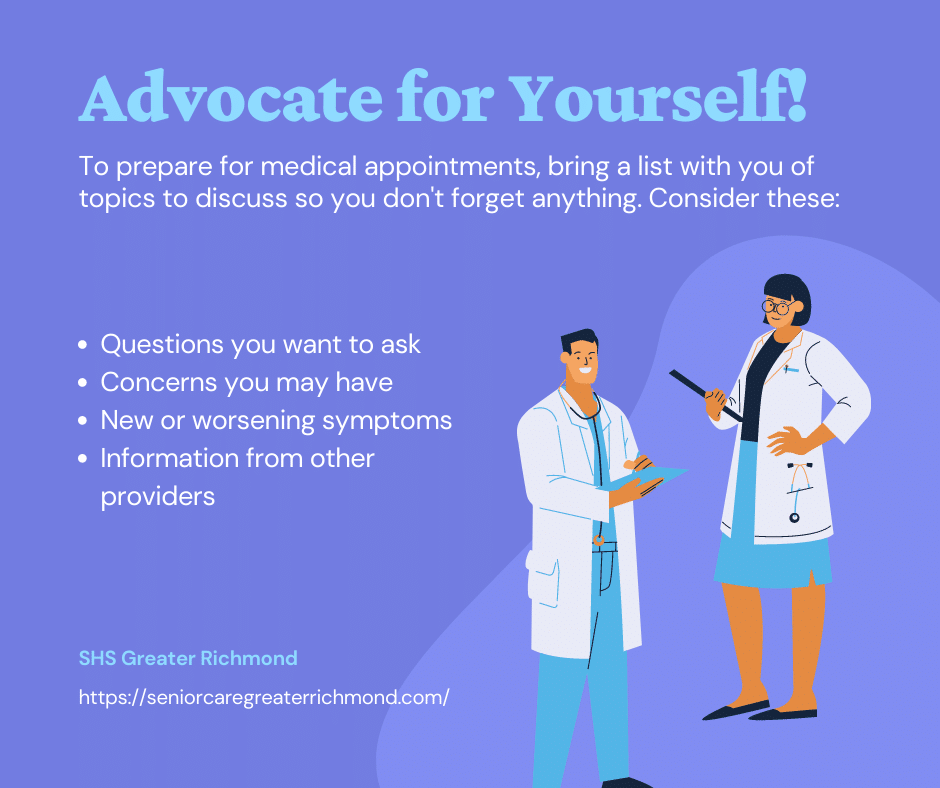
Now that you have your data, it’s time to prepare for the appointment itself. Don’t just show up and hope for the best. Go in with a plan.
- Write Down Your Goal: What do you want to get out of this appointment? A diagnosis? A referral to a specialist? A new treatment plan? Write it down at the top of your notes.
- Summarize Your Data: Look at the data you tracked in your CrampCare app and write down a one-paragraph summary. For example: “For the past 6 months, my periods have been irregular, ranging from 35 to 50 days. For the first 3 days of my period, I have severe, stabbing pelvic pain that I rate an 8/10, along with nausea and painful bowel movements. Over-the-counter pain medication does not help.”
- List Your Questions: Write down every single question you have. No question is too small or too silly. “Could this be endometriosis?” “What are the side effects of this medication?” “What are the next steps for diagnosis?”
- Bring a Friend or Family Member: If you’re nervous, bring someone with you for support. They can take notes for you and be another voice in the room to back you up.
Step 3: In the Room – Be the CEO of Your Health
You’ve done the prep work. Now it’s time to shine.
- Lead with Your Summary: Start the appointment by reading the summary you wrote. This sets the tone and shows that you are prepared and serious.
- Show, Don’t Just Tell: Open your CrampCare app and show your doctor the charts and logs. Visual data is incredibly powerful.
- Use “I” Statements: Instead of “You’re not listening to me,” try “I am concerned that my quality of life is being severely impacted, and I need a plan to address this.”
- Don’t Be Afraid to Ask “What Else Could It Be?”: If your doctor gives you a diagnosis that doesn’t feel right, or tells you it’s “just stress,” it’s okay to push back gently. Ask, “I understand that stress can be a factor, but what other possibilities should we be exploring? Could we run some tests to rule out conditions like PCOS or endometriosis?”
- Ask for a Referral: If you feel like you’re not getting anywhere, it is your right to ask for a referral to a specialist, like a gynecologist who specializes in pelvic pain or hormonal disorders.
Source: SHS Greater Richmond
You Deserve to Be Taken Seriously
It can be exhausting to have to fight to be heard when you’re already feeling unwell. But remember: your health is worth fighting for. You are not being “dramatic” or “difficult” for demanding answers and effective care.
By tracking your symptoms, preparing for your appointments, and communicating with confidence, you can shift the dynamic. You are not just a passive patient; you are an active, informed partner in your own healthcare.
And we’re here to back you up every step of the way. You’ve got this.
References
[1] Samulowitz, A., et al. (2018). “Brave men” and “emotional women”: a theory-guided literature review on gender bias in health care and gendered norms towards patients with chronic pain. Pain research & management, 2018, 6358624. https://doi.org/10.1155/2018/6358624