Period cramps are the ultimate party crashers. One minute you’re living your life, and the next, you’re curled up in a ball, begging your uterus to chill out. If you’re tired of your monthly cycle dictating your social life, school attendance, or work performance, you’ve come to the right place.
Managing period pain is about having a toolkit of strategies you can turn to. It’s not about one magic cure, but about finding a combination of things that work for your body. At CrampCare, we’re all about empowering you with options. Let’s dive into the best ways to manage period pain, from the food you eat to the way you move.
1. Eat Your Way to Less Pain: Food & Nutrition
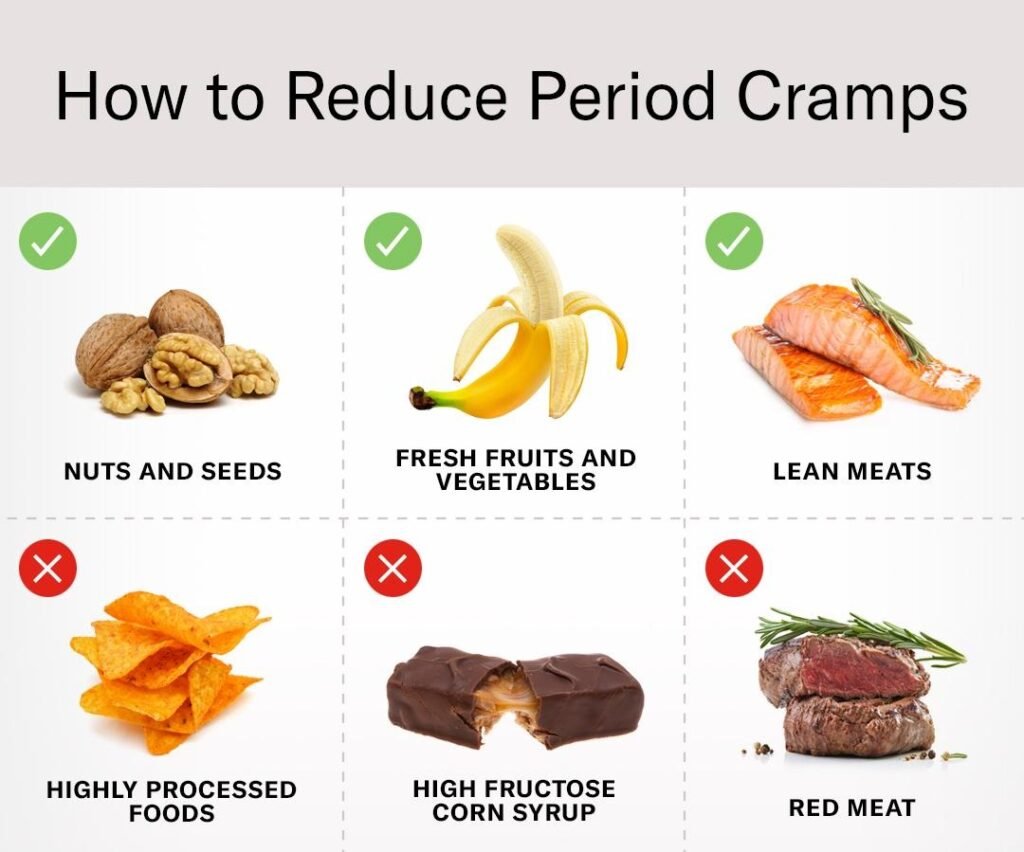
What you eat can have a huge impact on how you feel, and that’s especially true during your period. Certain foods can help fight inflammation (the science-y word for the irritation that can make cramps worse), while others can make it worse.
Foods That Fight Cramps:
- Ginger: This powerhouse root is a total game-changer. Studies have shown that ginger can be just as effective as ibuprofen at reducing period pain. [1] Try sipping on some warm ginger tea or adding fresh ginger to your meals.

- Dark, Leafy Greens: Think spinach, kale, and broccoli. They are packed with magnesium, which helps relax your muscles (including your uterus!).
- Salmon and Walnuts: These are rich in omega-3 fatty acids, which are amazing at fighting inflammation.
- Dark Chocolate: Yes, you read that right! Dark chocolate (the kind with over 70% cocoa) is high in magnesium and can give you a little mood boost.
Foods to Maybe Avoid:
- Super Salty or Sugary Snacks: These can cause bloating and a quick energy crash, which is the last thing you need.
- Too Much Caffeine: For some people, caffeine can make cramps feel more intense.
- Red Meat and Dairy: These can be high in compounds that promote inflammation, so you might feel better if you limit them right before and during your period.
2. Get Moving: Movement & Exercise
When you’re in pain, the last thing you probably want to do is move. But gentle exercise can be one of the best things for cramps. It releases endorphins (your body’s natural painkillers) and increases blood flow, which can help your uterine muscles relax.
Stretches That Soothe:
- Child’s Pose: This gentle yoga pose is amazing for relieving tension in your lower back and hips.
- Cat-Cow Stretch: This move helps warm up your spine and can ease the ache in your abdomen and back.
- Knee-to-Chest Stretch: Lying on your back and hugging your knees to your chest can help relax the muscles in your lower belly.
Light Exercise Ideas:
- Walking: Even a short, 15-20 minute walk can work wonders.
- Light Yoga or Pilates: Focus on flows that are gentle and restorative.
- Swimming: The water supports your body and can feel incredibly soothing.
3. When You Need a Little Extra Help: Over-the-Counter (OTC) Options
Sometimes, natural remedies aren’t enough, and that’s completely okay. There are safe and effective over-the-counter medications that can help you get through the worst of it.
The Go-To Pain Relievers:
- NSAIDs (Nonsteroidal Anti-Inflammatory Drugs): This is the category that includes ibuprofen (like Advil or Motrin) and naproxen (like Aleve). These are usually the most effective for period pain because they work by blocking those cramp-causing prostaglandins we talked about earlier. Pro Tip: For best results, take them as soon as you feel cramps starting, rather than waiting until the pain is severe.
- Acetaminophen: This includes brands like Tylenol or Panadol. While it can help with pain, it doesn’t have the same anti-inflammatory effect as NSAIDs, so it might not be quite as effective for intense cramps.
Don’t Forget the Heat!
Never underestimate the power of a good heating pad or a warm bath. Applying heat to your lower abdomen helps relax your uterine muscles and can provide almost instant relief. It’s a simple but incredibly effective tool in your pain-management kit.
Find What Works for You with CrampCare
Everyone’s body is different, and what works for your best friend might not work for you. The key is to find your unique combination of strategies.
This is where tracking your cycle with an app like CrampCare becomes so valuable. By logging your symptoms and the remedies you try, you can start to see patterns. Maybe you’ll notice that your cramps are always better when you go for a walk in the morning, or that taking ibuprofen before your pain gets bad is a total game-changer.
Don’t let period pain control you. Start building your personalized pain-relief toolkit today. Track your symptoms, try these tips, and discover what makes your body feel its best.
References
[1] Daily, J. W., Zhang, X., & Park, S. (2019). Efficacy of Ginger for Alleviating the Symptoms of Primary Dysmenorrhea: A Systematic Review and Meta-analysis of Randomized Clinical Trials. Pain Medicine, 20(9), 1679–1693. https://academic.oup.com/painmedicine/article/20/9/1679/5152227