Let’s be real: for millions of us, getting our period means gearing up for a few days of pain. You’re probably a pro at grabbing a heating pad, taking some ibuprofen, and just trying to get through it. But have you ever laid there wondering, “Should it really hurt this much?”
While some cramping is totally part of the deal, pain that makes you cancel plans or call out sick from school or work is not. Figuring out the difference is your first step to feeling better and taking control of your health. At CrampCare, we’re all about giving you the info you need, so let’s talk about what’s actually going on with cramps and when it might be time to ask for help.
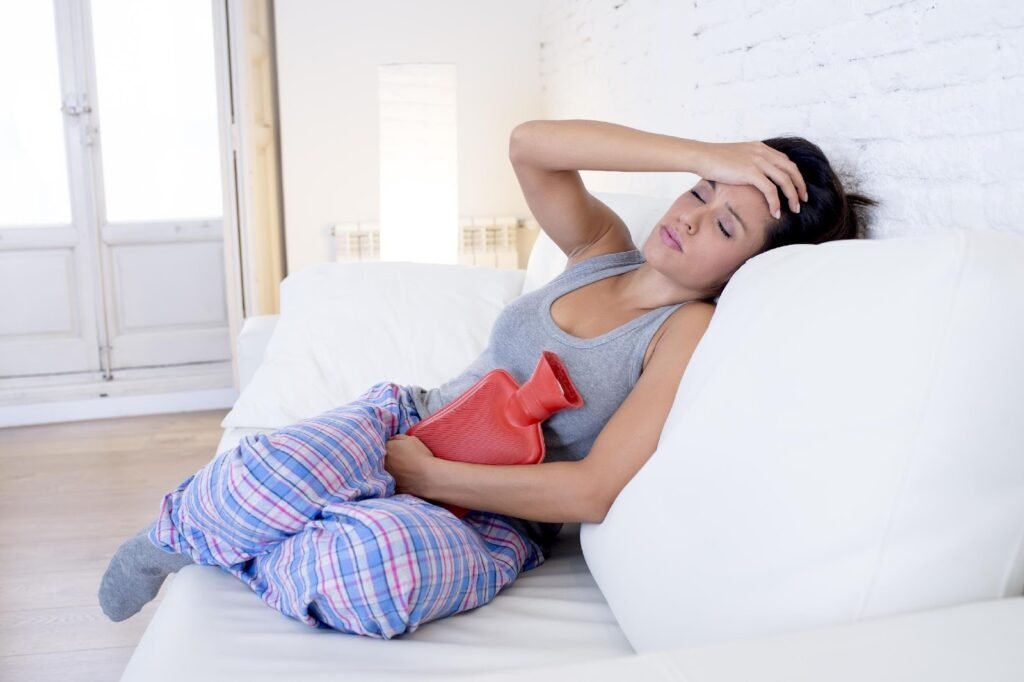
So, What’s Behind “Normal” Period Cramps?
If your cramps show up a day or two before your period and stick around for the first few days of bleeding, you’re probably dealing with what doctors call primary dysmenorrhea. That’s just a fancy term for the usual, common cramps that aren’t a sign of a bigger health problem. But why do they happen?
The main reason? Tiny things in your body called prostaglandins. [1]
Think of them like little messengers. Right before your period, your body sends out a ton of these messengers. Their job is to tell your uterus (the muscular organ where a baby can grow) to squeeze and contract to push out its lining, which comes out as your period. A little squeezing is normal, but when your body sends out too many prostaglandins, it’s like your uterus is getting squeezed way too hard and too often. That’s what causes those intense cramps. These squeezes can even cut off the oxygen supply to the muscle for a second, which also causes pain that you might feel in your lower back and thighs.
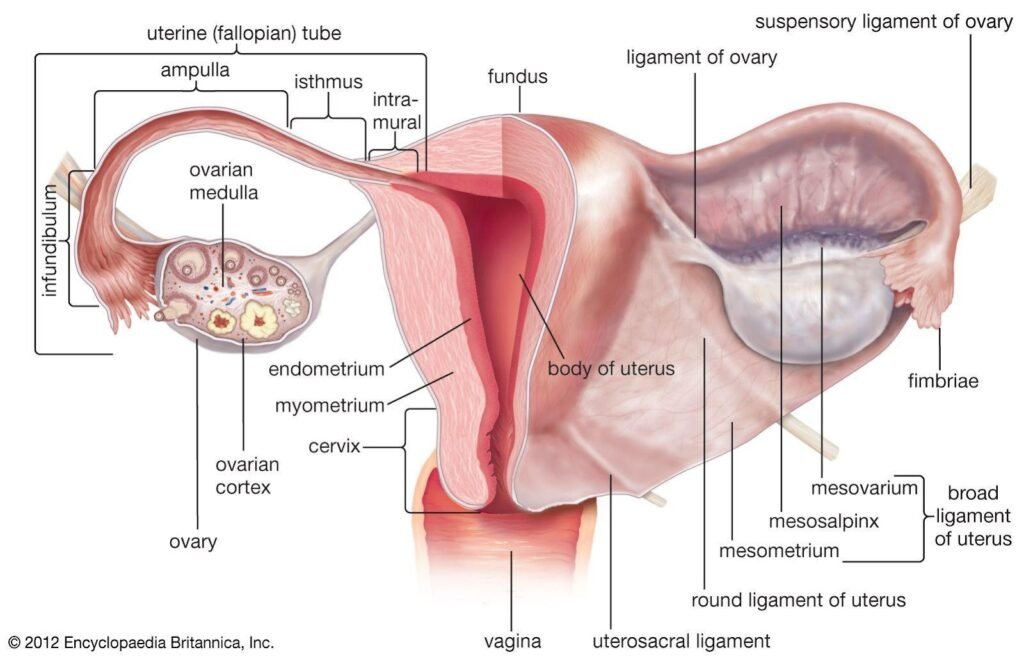
For most of us, this pain is annoying but manageable, and it usually gets better after the first day or two of our period when the number of those little messengers goes down.
When It’s More Than Just Cramps
If your period pain is so bad that it makes you want to scream, seems to be getting worse as you get older, or doesn’t get better with regular pain medicine, you might have what’s called secondary dysmenorrhea. This means your cramps are a symptom of a different health issue. It’s your body’s way of waving a red flag and saying, “Hey, look over here!”
Seriously, you shouldn’t have to put your life on hold because of your period. [2] If you do, it’s time to figure out why. Here are a few of the most common reasons for next-level period pain:
Endometriosis (“Endo”)
This is a super common cause of awful period pain, affecting about 1 in 10 women. [3] Endo is when tissue that’s supposed to be inside your uterus decides to grow in places it shouldn’t, like on your ovaries or other organs in your belly. When it’s time for your period, this misplaced tissue tries to shed too, but it has nowhere to go. This can cause a lot of inflammation, scarring, and seriously intense pain.
Heads-up for:
- Killer cramps that can start even before your period.
- Pain during or after sex.
- It hurting to poop or pee, especially on your period.
- Just general pelvic pain that seems to stick around.
Uterine Fibroids
Fibroids are growths in the wall of the uterus that aren’t cancerous. They’re actually really common, especially once you hit your 30s. A lot of the time, they don’t cause any problems, but depending on where they are and how big they get, they can cause heavy bleeding and a lot of pain.
Heads-up for:
- Super heavy periods or periods that last for more than a week.
- Feeling full or like there’s pressure in your lower stomach.
- Having to pee all the time.
- Pain in your lower back.
Adenomyosis (“Adeno”)
This one is like endo’s close cousin. Adeno is when the uterine lining tissue grows into the muscle wall of the uterus itself. That tissue then gets trapped in the muscle and tries to do its normal period thing (thicken and bleed), which can make your uterus swell up and cause really painful, heavy periods.
Heads-up for:
- Cramps that feel super sharp or like a stabbing pain.
- Really heavy, long-lasting periods.
- Feeling bloated or pressure in your stomach.
Quick Vibe Check: Is Your Period Pain Normal?
It’s easy to think your pain is normal if you’ve been dealing with it forever. Ask yourself these questions. If you answer “yes” to even one, it’s a good sign you should chat with a doctor.
| Symptom Check | Yes / No |
|---|---|
| Does your pain make you miss out on life (school, work, fun)? | |
| Does regular pain medicine (like ibuprofen) basically do nothing? | |
| Has your pain gotten worse over the years? | |
| Do you have bad cramps even when you’re not on your period? | |
| Does it hurt when you have sex, pee, or poop? | |
| Do you see big blood clots (like the size of a quarter or bigger)? |
What to Do Next
If your pain seems like the “normal” kind, small changes can still make a big difference. Gentle exercise (like stretching or walking), finding ways to chill out, and using a heating pad are all proven ways to feel better.
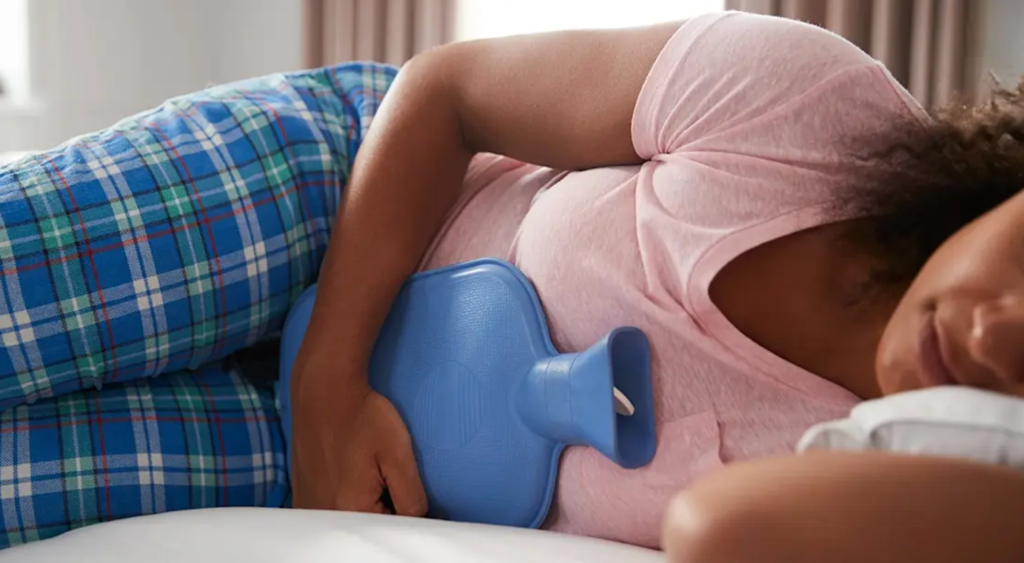
But if you think your pain might be something more, the best thing you can do is talk to a doctor. Don’t be afraid to speak up or feel like you’re exaggerating. Before your appointment, try to keep a log of your pain and symptoms.
This is where an app like CrampCare can be a total game-changer. By tracking your symptoms in the app, you’re basically creating a health diary on your phone. You can show your doctor exactly what you’ve been feeling and for how long, which helps them see the full story. This data gives you the power to have a better conversation and get the answers you need, faster.
Your pain is real, and you deserve to feel good. Stop just “getting through it” every month. Start tracking your cycle with CrampCare today and take the first step toward feeling your best.
References
[1] Dawood, M. Y. (2006). Primary Dysmenorrhea: Advances in Pathogenesis and Management. Obstetrics & Gynecology, 108(2), 428-441. https://journals.lww.com/greenjournal/abstract/2006/08000/primary_dysmenorrhea_advances_in_pathogenesis_and.27.aspx
[2] American College of Obstetricians and Gynecologists. (2022). Dysmenorrhea: Painful Periods. https://www.acog.org/womens-health/faqs/dysmenorrhea-painful-periods
[3] World Health Organization. (2023). Endometriosis. https://www.who.int/news-room/fact-sheets/detail/endometriosis
Comments
One response to “Period Pain Sucks. But Are Your Cramps Normal? Here’s How to Tell.”
Hi, this is a comment.
To get started with moderating, editing, and deleting comments, please visit the Comments screen in the dashboard.
Commenter avatars come from Gravatar.